What Does -30° Celsius Feel Like? 

Culture Corner

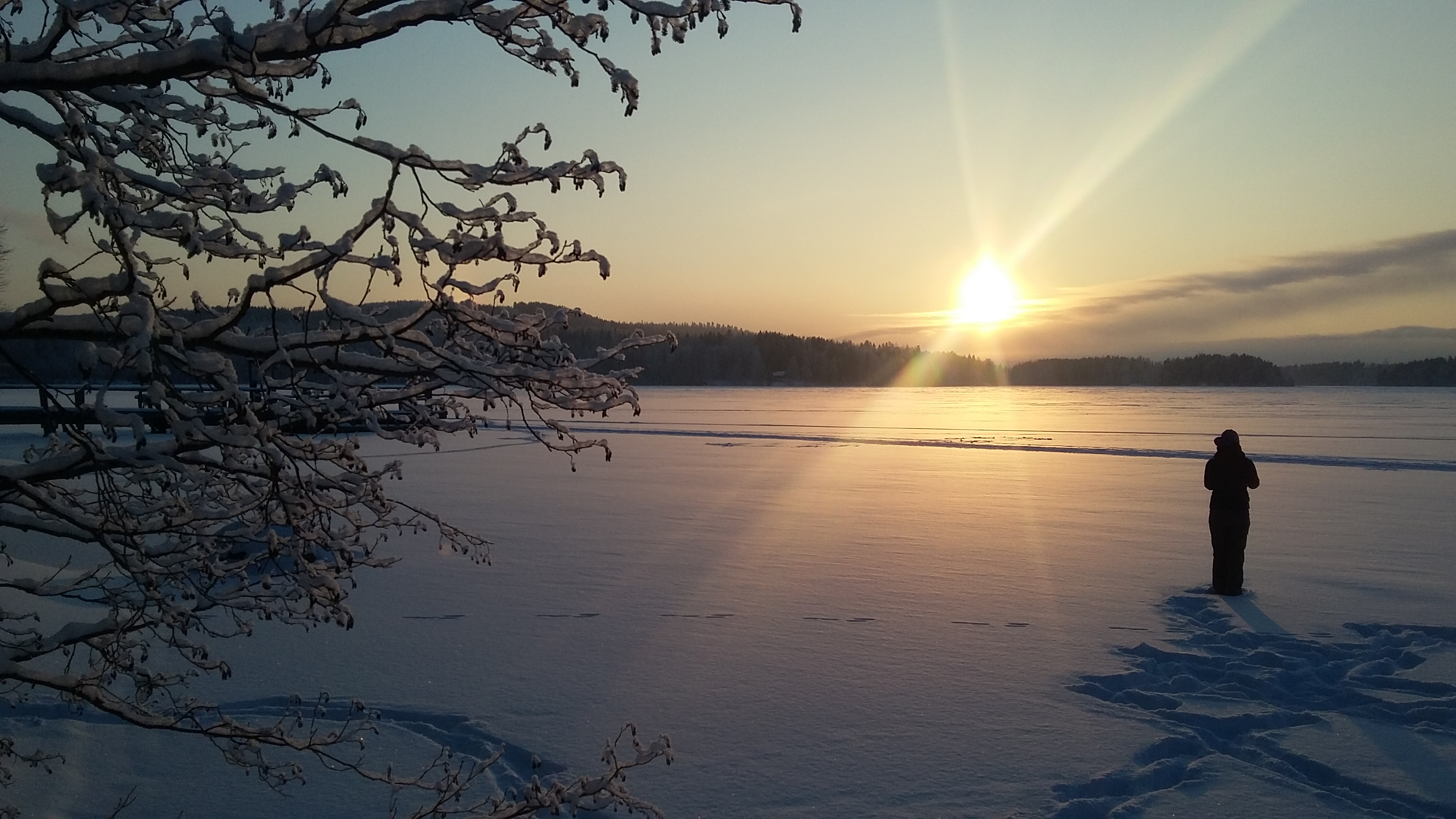
For the majority of the world’s population -30° C (-22°F) is a depth of coldness hardly imaginable, but during Finnish winters it can be a fact of life. I come from a part of the United States (Oregon) with mountains and snowy winters, but have rarely if ever been outside in such low degrees. It is a peculiar feeling and otherwise familiar objects and surroundings take on unexpected characteristics.

img_0412

First of all, you have to take your winter clothing layering to a whole new level; 3 pairs of socks, 2 pairs of pants, 2 pairs of gloves – you cannot have too many layers in this weather. Any exposed skin stings and becomes numb in minutes. Locks of hair, eyelashes and beards become covered in frost. Upon taking your hand out of its glove to blow your ever-dripping nose, you don’t feel the cold, but rather an intense burning sensation after only 30 seconds. Your nostrils freeze with every inhale and defrost with every exhale.
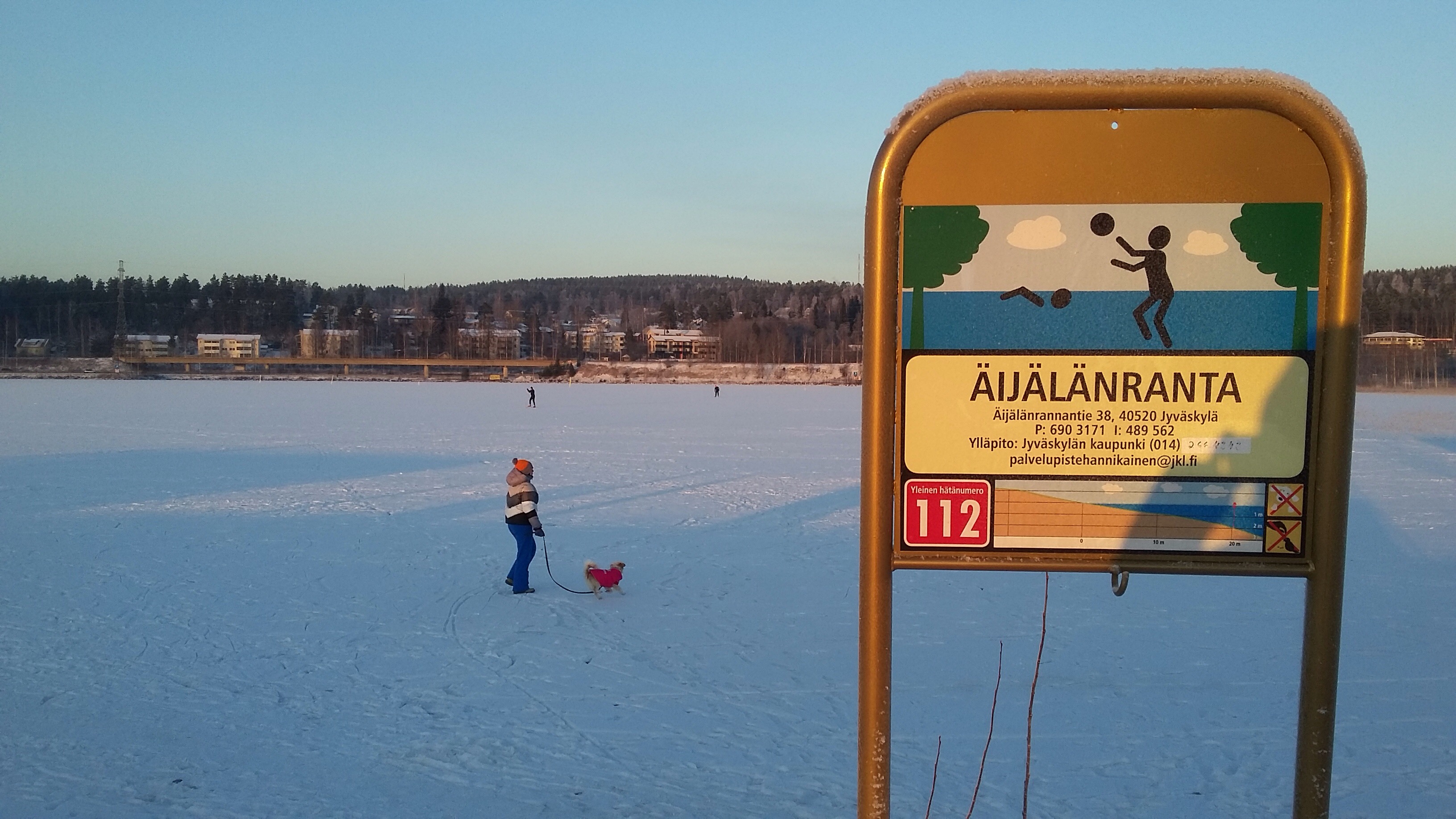
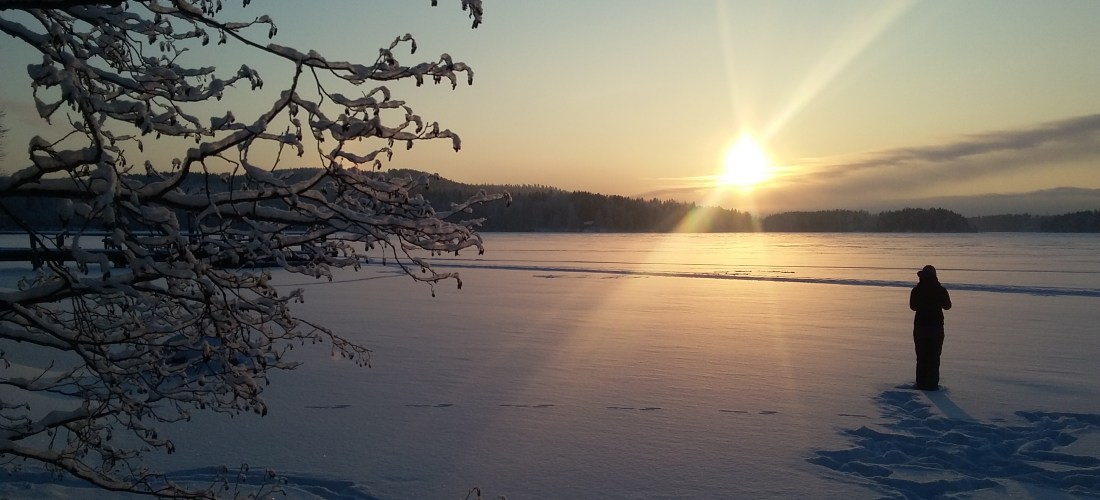
On extremely cold days a fog hangs in the air while the sky is crystal clear, no clouds to insulate. And after a few weeks of sub-zero temperatures the lakes freeze. The city of Jyväskylä put out a notice in early January once the lakes were safe to walk on and residents promptly started traversing from shore to shore by ski, skate, bicycle and foot. The snow was cleared from a section of the lake to reveal the ice beneath for ice skating.
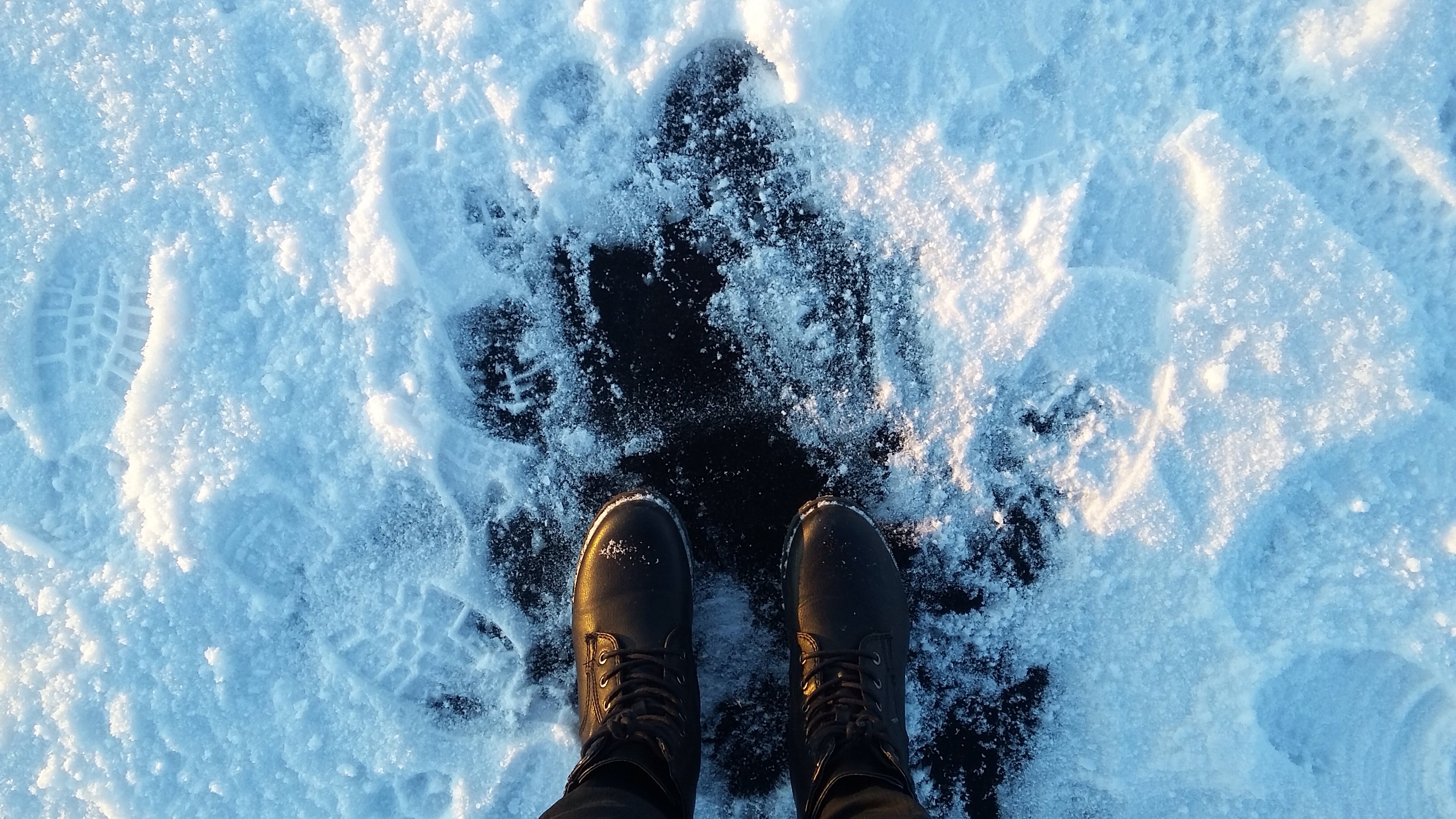
In Finland, the winter is a special time for sports and activities like those mentioned above, but additionally ice hole fishing and swimming. After steaming in a hot sauna, one can dip into the chilly water through a hole in the ice. It is said that the water below the ice is warmer than the air, though this knowledge doesn’t help much when you’re about to plunge in.

20160117_143848

It is important to note that it is not -30°C every day in the winter in Finland. -30°C is a pretty low temperature even for Finns, but society keep functioning, children usually go to school, shops are open and people can be seen walking in the streets. It is my observation that while us newly arrived foreigners fearfully venture outside, wondering if it is possible for our eyelids to freeze shut, the locals and more seasoned residents just put on the appropriate layers and get on with life. If you are like me and are not sure what appropriate layers means, check out this helpful video.

Even the pigeons in downtown Jyväskylä figured out a clever way to stay warm by huddling in front of this warm air vent outside a department store! If you ever find yourself in -30°C, enjoy this unique experience and try to stay warm too!
Does Light Therapy Really Work? 

L

Can staring into a really bright lamp really make you feel more cheerful and energetic when you’ve got the winter blues? I tested out a light therapy lamp for one month to find out.

Unless you live near the equator, you’ve probably realized that during the winter the days get shorter. In fact, the closer you live to the North or South Pole, the more the length of the days varies between summer and winter. Above the Arctic Circle (66° North of the equator) the sun doesn’t fully set during the summer nights, and during the winter doesn’t rise for several weeks at a time.

20160117_142423

I currently live in Jyväskylä, which has a latitude of 62°N.  There can be as little as 6 hours of daylight in the darkest part of winter. To put that in perspective, it is dark outside when you go to work/school and again when you leave work/school. The darkness can make it difficult to wake up, maintain energy levels throughout the day, cause depression and result in consumption of massive amounts of coffee. The clinical name for the winter blues is “Seasonal Affective Disorder” (SAD). This is why I decided to try a light therapy lamp.

The TL90 from Beurer claims to address the hormone imbalance caused by sunlight deficiency, returning serotonin (responsible for mood) and melatonin (responsible for drowsiness) to normal levels and relieving symptoms of SAD.  Recommended use is 15 minutes per day, first thing in the morning, to help energize. You should sit with your face 15-20 centimeters from the lamp and can expect results after seven consecutive days of use. There are many models and brands of lights to choose from.

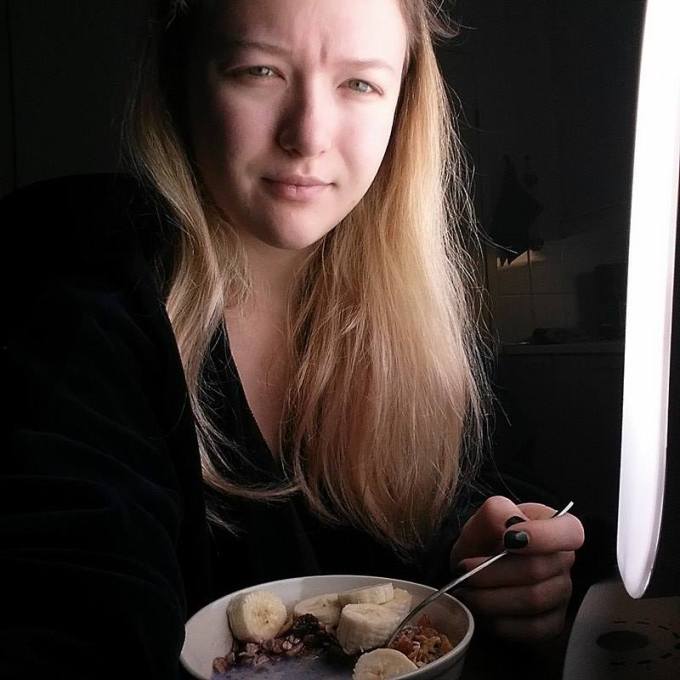
When I first turned on the lamp, the light was very bright, but diffused and soft with a neutral white color. “Is this what sunlight looks like?”, I asked myself. I ate my breakfast in front of the lamp around 8am before going to class at the university.

12527970_10207438223008078_1761192273_n

I have been using the light therapy lamp for the month of January, during most weekday mornings between 7 and 9am. This is also the month that I decided to decrease my coffee consumption, as I started to become caffeine dependent in the end of 2015. Now I know why the Finns drink so much coffee: to stay awake through the winter! Anyhow, I haven’t started any of my mornings with coffee while testing the lamp (at most I sip a green tea). I have also taken daily vitamin D supplements, which helps with sunlight deficiency.

My Verdict

After one month of testing a light therapy lamp, I must say that I’m a believer! I’ve seen the light! On those dark mornings when I need to wake up before the sun has risen, light treatments have worked better than coffee for me. In the time that it takes me to eat my breakfast in front of the lamp, a gradual perkiness and a clarity comes over my groggy, sleepy mind. After 15 minutes I find myself jumping up to finish getting ready and eager to walk to the university. Even after the sun comes up and I have been in lectures for several hours, the clarity remains without the jitteriness and crash of caffeine.

The long term effects have been positive as well: I feel overall more energetic than during December, before I had the lamp. I have been exercising and even learning to ice skate.

My conclusion is that light therapy works! At least when combined with other healthy practices like taking vitamin D supplements, exercising and getting enough sleep. Light therapy lamps can be a bit of an investment, but the fluorescent bulbs inside this model should last 10,000 hours according to the manual – that is a lot of 15 minute treatments! If the winter darkness has got you down, I recommend you try light therapy.