Some people have asked me over the years, “How do you manage to travel so much? It seems like you’re always somewhere new.” The truth is not that I’m independently wealthy or that I even travel frequently; I just plan my trips strategically.
One of my favorite travel tricks is to schedule long layovers in places en route to my final destination. For example, while recently going to visit my family in Oregon, I visited Austin, Texas on the outbound flight and Seattle, Washington on the return. And I did it while saving money on flights to boot.
Save money and see more?
I could have booked flights all the way from Estonia to Portland but with at least three connections. Instead of spending those multiple layovers stuck in airports, I opted for a cheaper Norwegian flight from Helsinki, Finland* to Austin and a separate domestic flight from Austin to Redmond, Oregon two days later. For the money I saved compared to flights from Estonia to Oregon, I afforded myself two nights in a hostel in Austin along with a modest sightseeing and dining budget! (Read my hostel review here.)
Visiting the Texas state capitol was a free activity during my layover
Make layovers at least 1 night
I started turning my layovers into mini-vacations out of necessity. When booking flights with different airlines, if your earlier flights are delayed (or cancelled altogether) and you end up missing your next flight with another airline, neither airline is required to refund or assist you. However, the longer time you leave between flights, the lower the odds are that you’ll miss the later. This is why I leave a buffer of at least one day/night, but if you’re going to leave the airport and go stay 12 hours somewhere, why not stay a day or two and enjoy yourself?
Extra layover costs to consider
Even though you might find cheaper flights to nearby destinations other than your final stop, you can likely end up spending more after factoring in other costs like accommodation, transportation to and from the airport, food, entertainment and, in some international cases, short-term visas.
Delicious chili and macaroni and cheese like this don’t come for free.
So, arranging your travels with a longer layover in a middle destination might be fun but not necessarily a huge money saver. It is a good option, however, if you have extra time and want to see more places (and places you might otherwise never visit on their own). I probably wouldn’t fly to the US just to go to Austin for example, but I’m still glad I got to see it.
Ever been curious about staying at a hostel but dismissed the idea because they’re only for “youths”, hippies or shoestring travelers? Well, while they are a good option for all of the above, they’re also more inclusive and practical than you might have previously thought.
I stayed at two branches of Hostelling International (HI) in the United States – in Austin, Texas and Seattle, Washington – in the autumn of 2019 and thought it’d be a great chance to let those of you curious about hostels know what it’s really like.
Though I’ve stayed at hostels across Europe, from Latvia to the Czech Republic, this was my first time staying in hostels in my homeland, the good ol’ US of A. I hadn’t considered staying at hostels in the U.S. in the past because I was usually either staying with or traveling with friends and family during my visits, and when split between two or more people, hotel rooms can be affordable. But while solo traveling from Estonia (where I live) to Oregon (where my family lives), I took the opportunity to stay at two hostels to save money and meet cool people.
Important to know about Hostelling International
HI USA is a non-profit organization that promotes hostel travel especially for young people but does not have age limits. As a non-profit, they have their own rules which vary from other hostels or hotels. Guests must have a HI USA membership, which costs $18 per year (available online) or $3 per day (can be added to your total at check-in).
Very important to note: since HI wants to welcome guests traveling further distances, they want you to prove that you don’t live in or near the city by showing a foreign passport or a US state-issued ID. This proved to be a huge issue for me while checking into HI Austin, since I live outside the US and only had a US passport and an expired Oregon driver’s license. I was initially told by the receptionist that I couldn’t stay there despite having booked and paid for two nights long in advance. I was only allowed to check in after proving that I never received details via Booking.com about what kind of government photo ID was required (and that I did, indeed, just arrive off a flight from Europe).
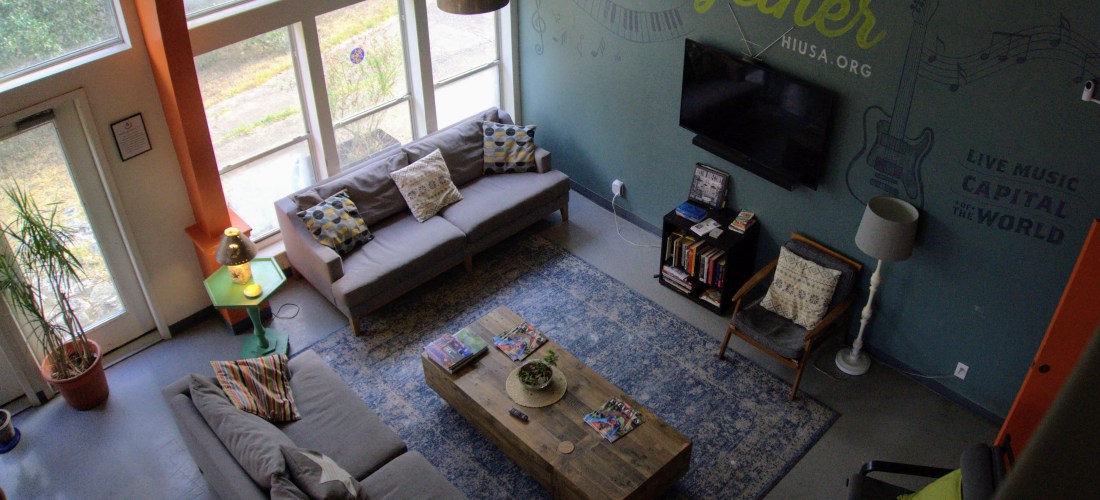
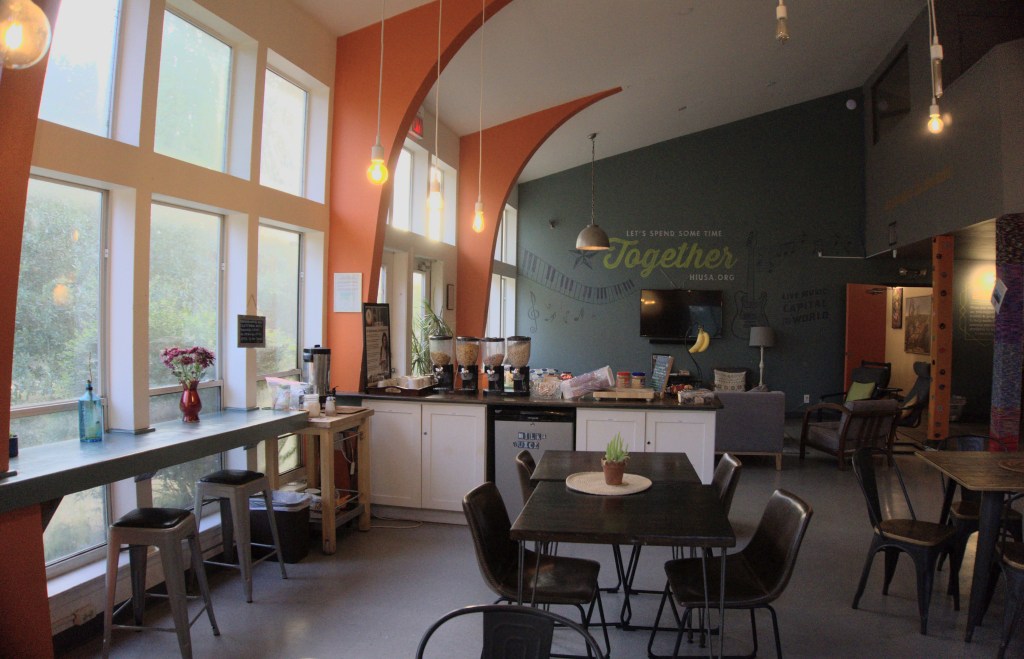
The dining room and lounge areaA basic breakfast spreadWeekly free activities hosted by the hostelA view from the second floor on the lounge
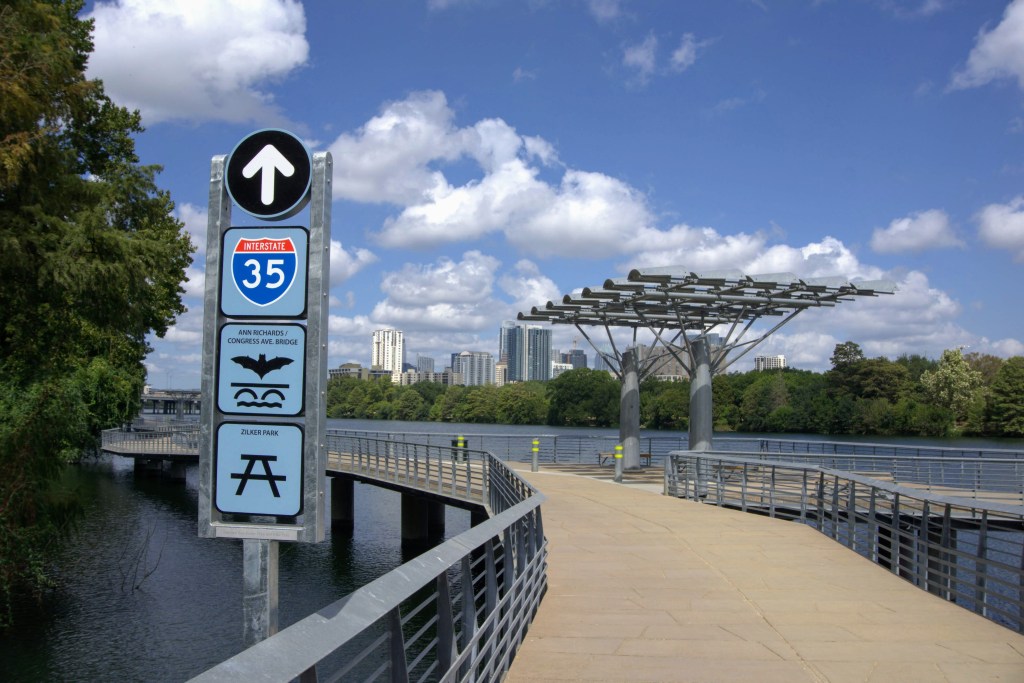
This place almost feels like a little surf shake, nestled between some shade trees a few blocks back off a busy road flanked by strip malls and taco shops. Hostelling International Austin sits on the shore of Town Lake and has a stand-up paddle board and canoe rental shop right next to it. It’s a short walk to a bus stop with frequent departures directly to the airport and downtown as well as to the boardwalk, which you can follow along the lake to the Ann W. Richards Congress Avenue Bridge (where the bats make their dramatic exit at dusk).
The dining and lounge area is ample with double-height ceilings and lots of natural light. Upstairs is another lounge/game room, and outside is a furnished and partially covered patio where smoking is permitted. The kitchen is fully-stocked with everything you need to cook and serve food. A modest breakfast of bread, cereal, instant oatmeal, juice, coffee and tea is served each morning, which was just enough to fuel me until I found heartier lunch fare in town.
My room was an eight-person female-only dormitory. I suspect it had previously been a six-person room but had another bunkbed crammed in to sleep more people. There were six metal lockers inside the room, each assigned to a specific bunk, with the remaining two beds having access to a locker down the hallway near the bathrooms. Lucky me, I got a bunk without a locker in the room. This was inconvenient, since whenever I wanted to get something from my luggage, I had to open my suitcase and dig through my things on the less than pristine hallway floor. I was also instructed to use one of the teeniest miniature padlocks I’ve ever seen to secure the locker. I had brought my own padlock, but didn’t want to press my luck – or the rules – with the receptionist after my check-in experience.
The bathrooms are separated into male/female and each consists of an open area with stalls for toilets and showers. The cleanliness in the bathroom left something to be desired, so I’d recommend taking a pair of flip flops to wear in the shower (but I’d recommend this in any public shower, to be honest). Nice, fluffy towels are provided at the front desk which is nice though!
A common living roomThe kitchen/dining room Locker storageSix-person room
My favorite thing about HI – Seattle at the American Hotel was location, location, location! It’s situated in the heart of the International District, next to the Historic Chinatown Gate and Union Station. It’s just a block or two from the long-distance bus stop, the Amtrak train station and the light rail train from the airport. Once you step out the door, you’ll find asian restaurants of all kinds, bubble tea joints and international shops like Daiso and Uwajimaya. Downtown and Pike Place Market are just a 15-minute walk away as well.
I only stayed here for one night, so I didn’t take much advantage of the lounge areas, but the kitchen and dining room were buzzing with people even at 11pm on a Saturday, though not noisily. Breakfast was a bit crowded and only consisted of coffee, tea, bagels and toast.
Built in 1926, this building has a lot of stairs. Upon first entering, there’s a flight of stairs to get up to reception. From reception, the staff may let you take your luggage upstairs to your floor in an elevator, but it is normally available only for people with disabilities. This can be a consideration if you have heavy luggage like I did.
My six-person female only room was spacious compared to the room in Austin, but the metal beds creaked with every toss and turn, and the mattress had a permanent person-shaped indent. The lockers also left something to be desired, not in terms of size, but in terms of height. I had the top locker assigned to my bed, which meant lifting a 44-pound (20 kg) suitcase to at least shoulder height into the locker. And you will want to bring your own padlock. Otherwise, each bunk came with its own reading light and a mini fan. The bathrooms on each floor were male/female separated and each consisted of an open room with toilet and shower stalls.
Hostels aren’t great for…
If you’re an introvert who values your privacy and doesn’t take to the idea of showering in a stall locker room-style, then hostels might not be your cup of tea. The nature of the open rooms, lounges, kitchens and bathrooms facilitates interaction (which can be a great thing if you’re traveling alone and want to chat with new people).
Dorm bedrooms with creaky metal bunkbeds are also not ideal for light sleepers. I would recommend that everyone pack an eye mask and a pair of ear plugs, just to combat light from the opening and closing of the door and the sounds of your upstairs bunkmate climbing in and out of bed at night to go to the bathroom.
If you have a lot of luggage and/or valuables, you should consider that security naturally isn’t as high in a shared dorm room as it would be in a private hotel room. While you will probably have a locker in your room in which you can secure valuables, larger luggage may not fit, and it can be inconvenient to lock and unlock things every time you leave the room to brush your teeth or grab a glass of water.
Hostelling International is good for…
I would recommend staying at Hostelling International in Austin or Seattle if you’re open to socializing with people from around the US and world, want recommendations about what to do in town, and prefer to be somewhat centrally located and get good value for your money. The fully-stocked kitchens are also a great amenity if you’re traveling on a budget and/or want to prepare meals yourself.
If you wake up one day during your stay in Tallinn with no plans, then sailing to Helsinki, Finland’s capital, might be a fun and spontaneous way to spend the day. It sounds like quite a voyage, but it is easily manageable within a day and on nearly any budget.
How to get there
The journey takes as little as 2.5 hours by boat with departures sailing every hour or two. Tickets can be purchased up until shortly before departure, although it’s recommended to book in advance to get the best price. Tickets can cost as little as 7€ each way.
My favorite website for booking ferry tickets is Laevapiletid.ee, which compares all operators and often runs exclusive discounts. It’s worth double-checking for the best price on the ferry companies’ own websites though.
What to see and do in Helsinki
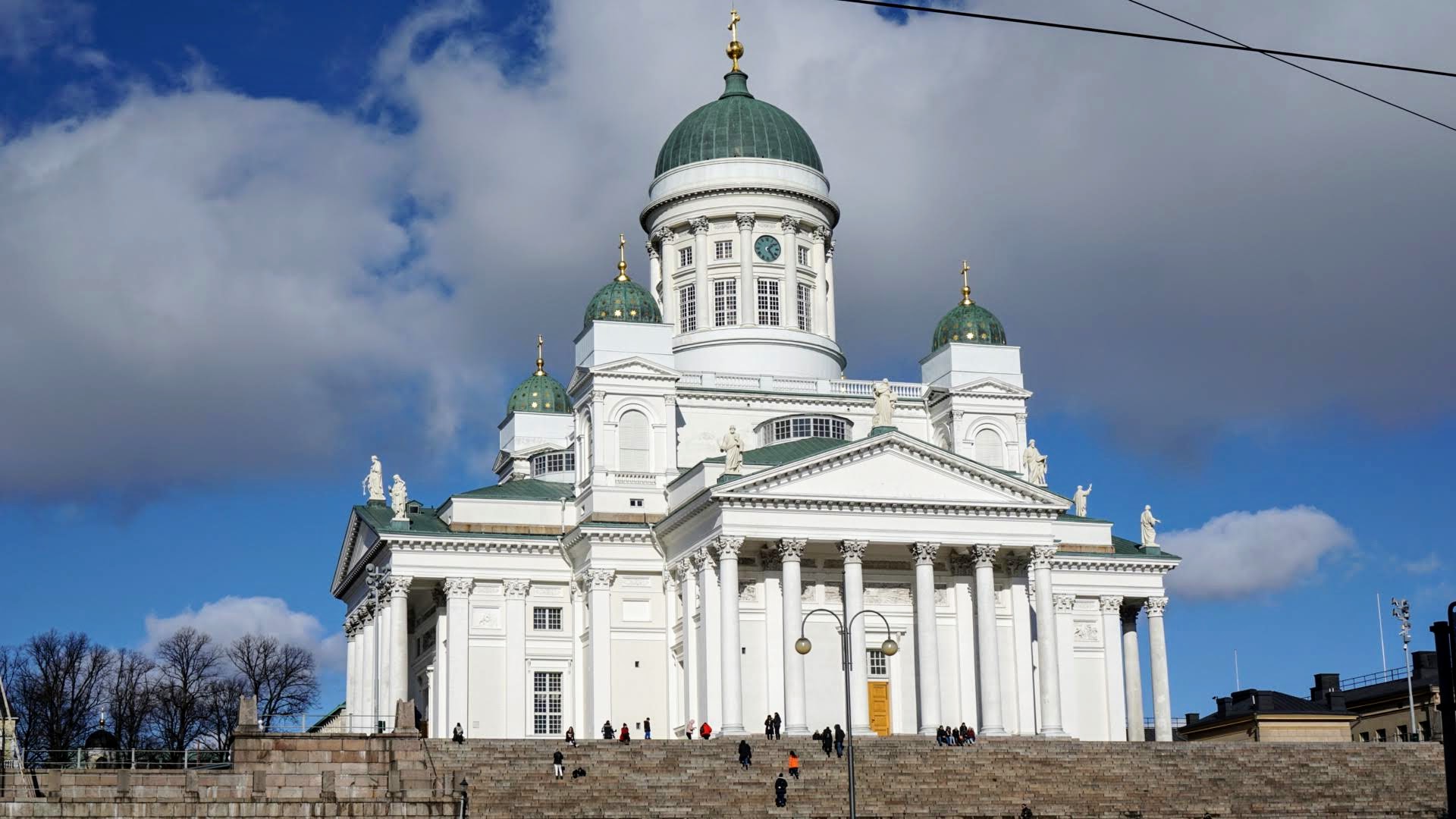
Helsinki Cathedral
The symbol of Helsinki, this church is unmissable. Literally, you can’t miss it because it’s smack dab in the middle of the city. Its interior is relatively unadorned compared to Catholic cathedrals, but it is free to visit. On a sunny day, its steps make a nice place to sit down or pose for a photo. In the winter, the square at its feet is the site of the Christmas Market. From June through August the church is open from 9am to midnight and the rest of the year from 9am to 6pm.
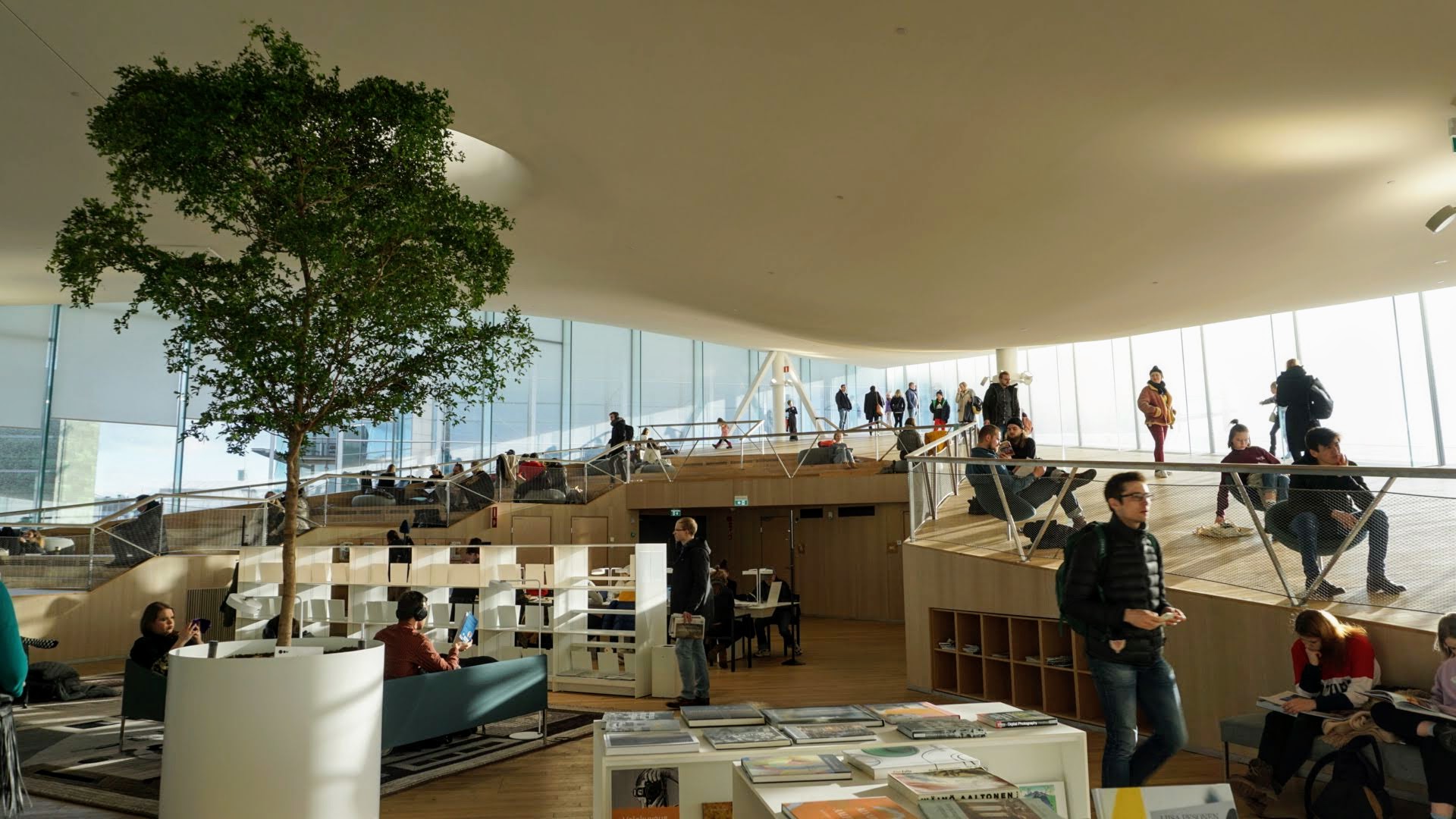
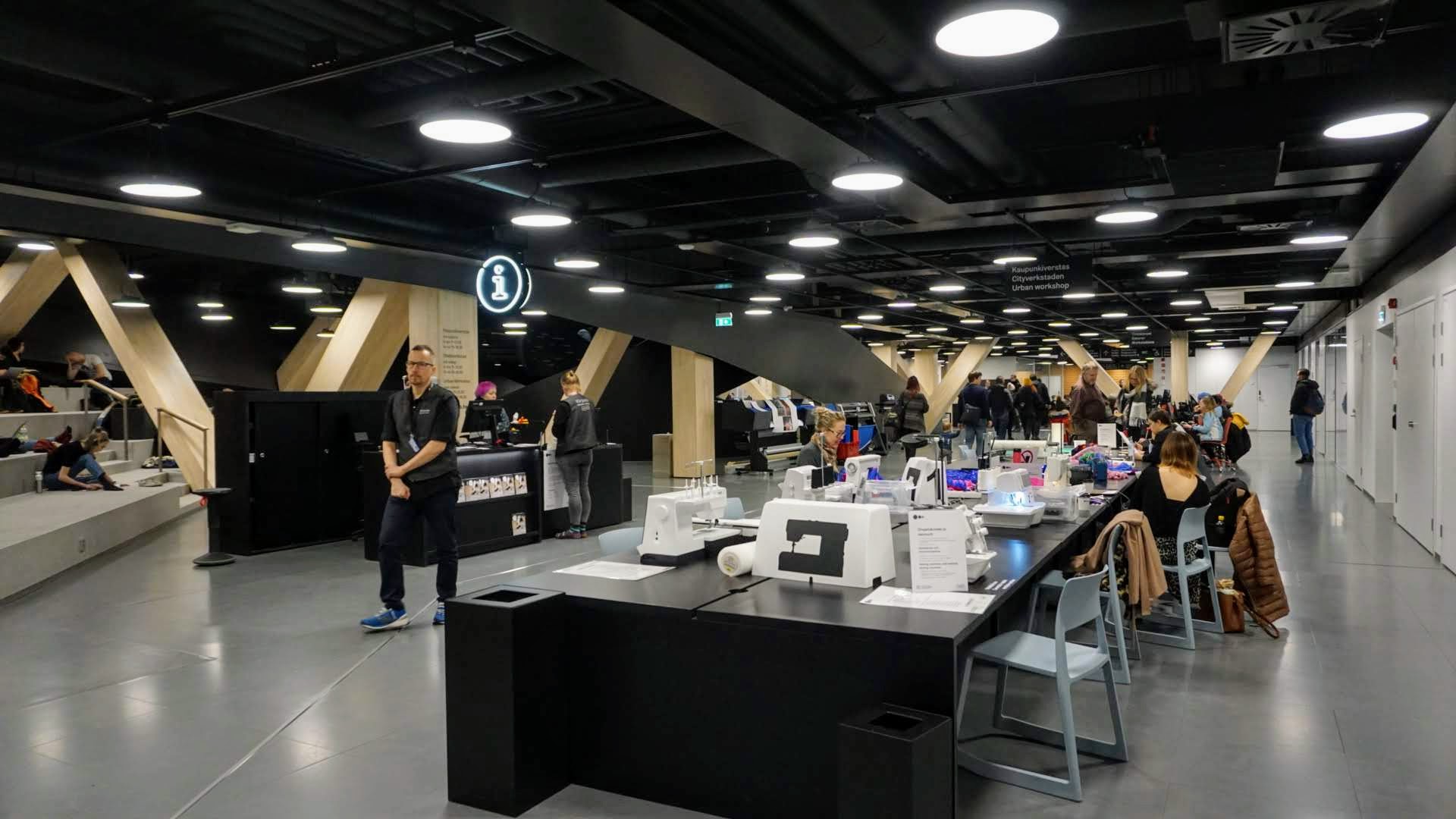
Oodi Central Library
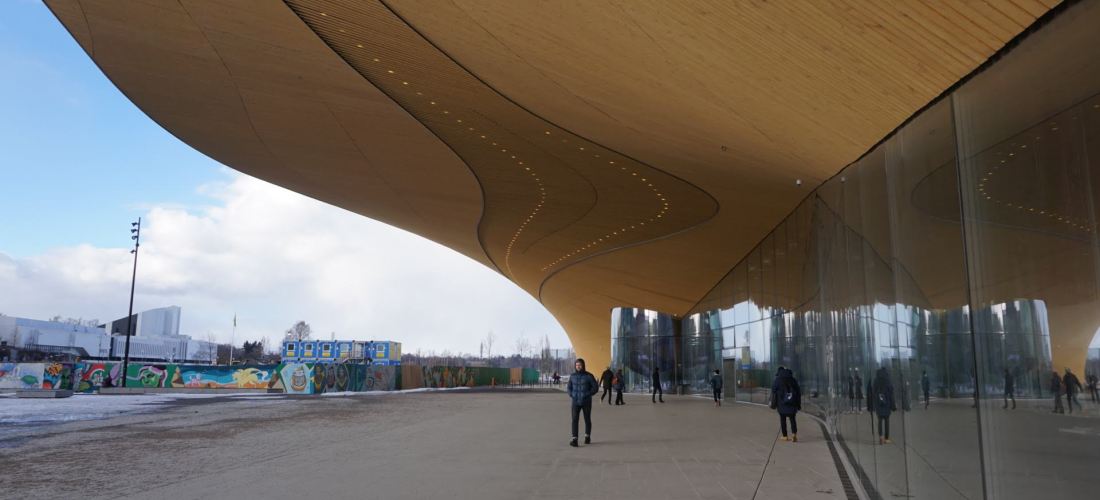
Oodi Central Library is located near the central railway station. It is free and open to the public. Opened in December 2018, its modern yet organic architecture has visitors in awe already when approaching. The interior is spread across three floors with resources such as sewing machines and 3D printers available to use. The best views are from the top floor. Oodi is open Monday through Friday from 8am to 10pm and on the weekends from 10am to 8pm.
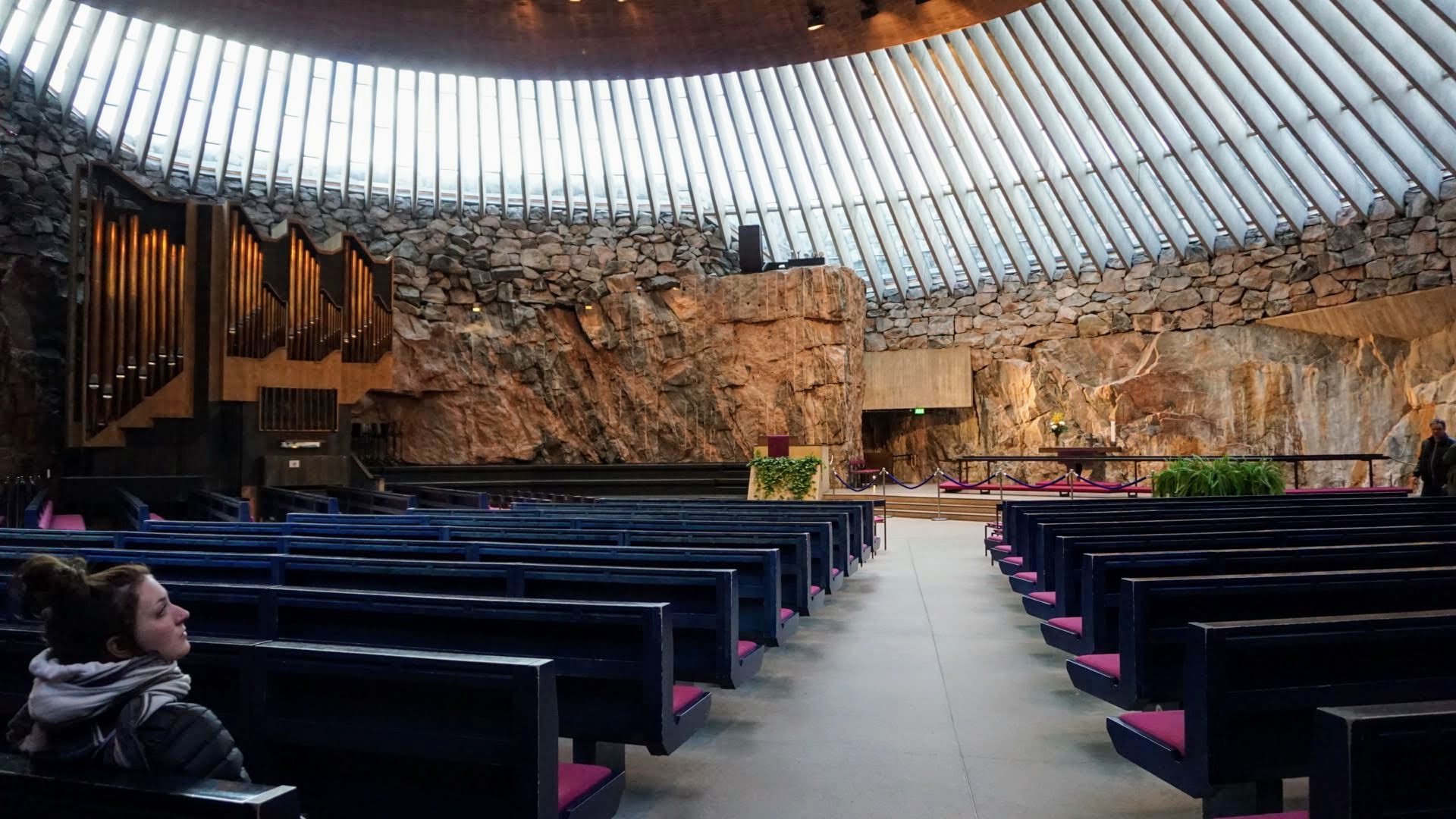
Temppeliaukio Rock Church
Popularly known as just the ‘Rock Church‘, this church is quite unusual. Blasted into a rocky hill, it offers a quiet refuge from the city. It is located not far from Kamppi shopping center (home to the equally intriguing Kamppi Chapel) . Entrance costs 3€, but is free on Wednesday afternoons and evenings.
Market halls
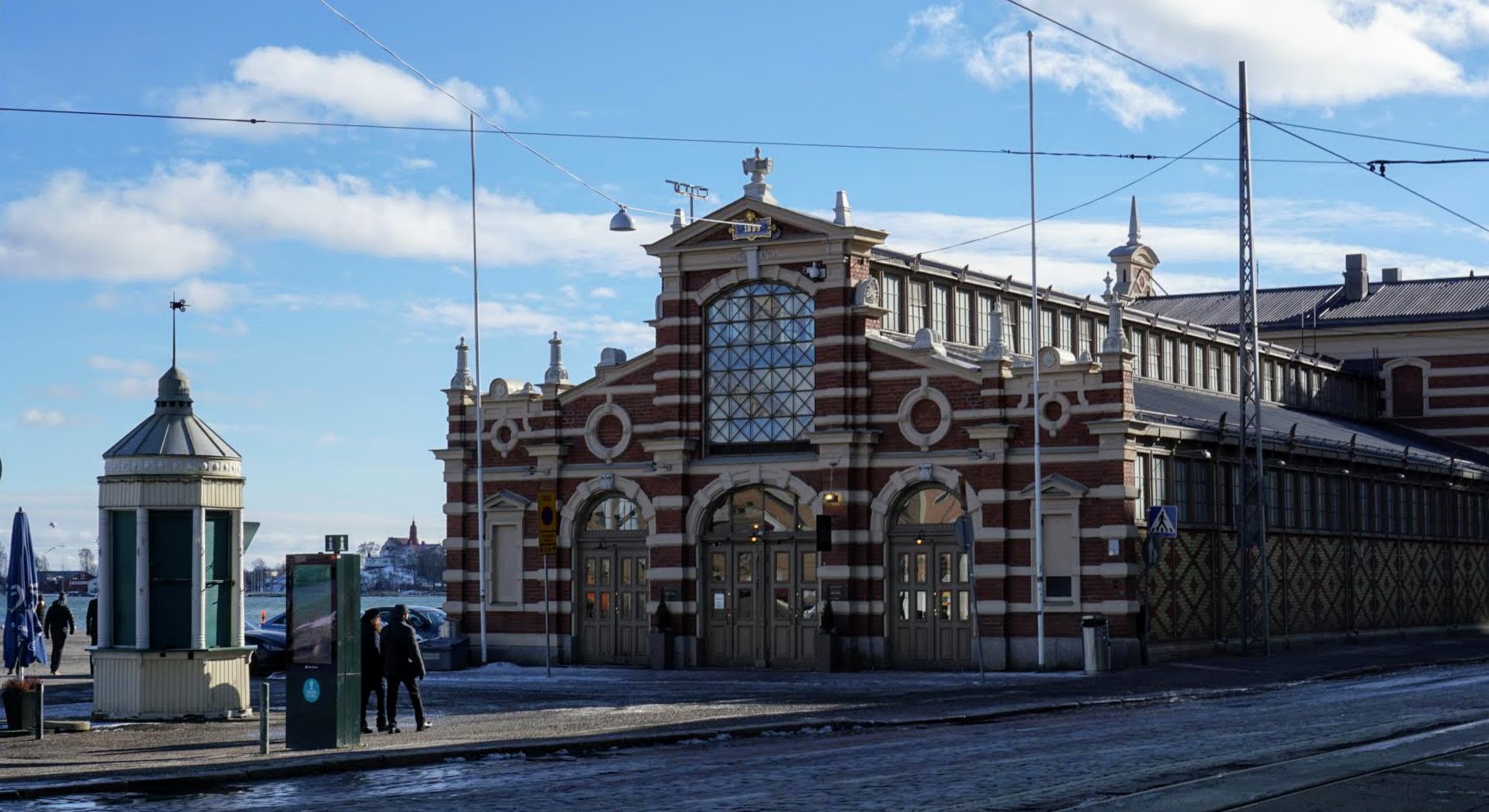
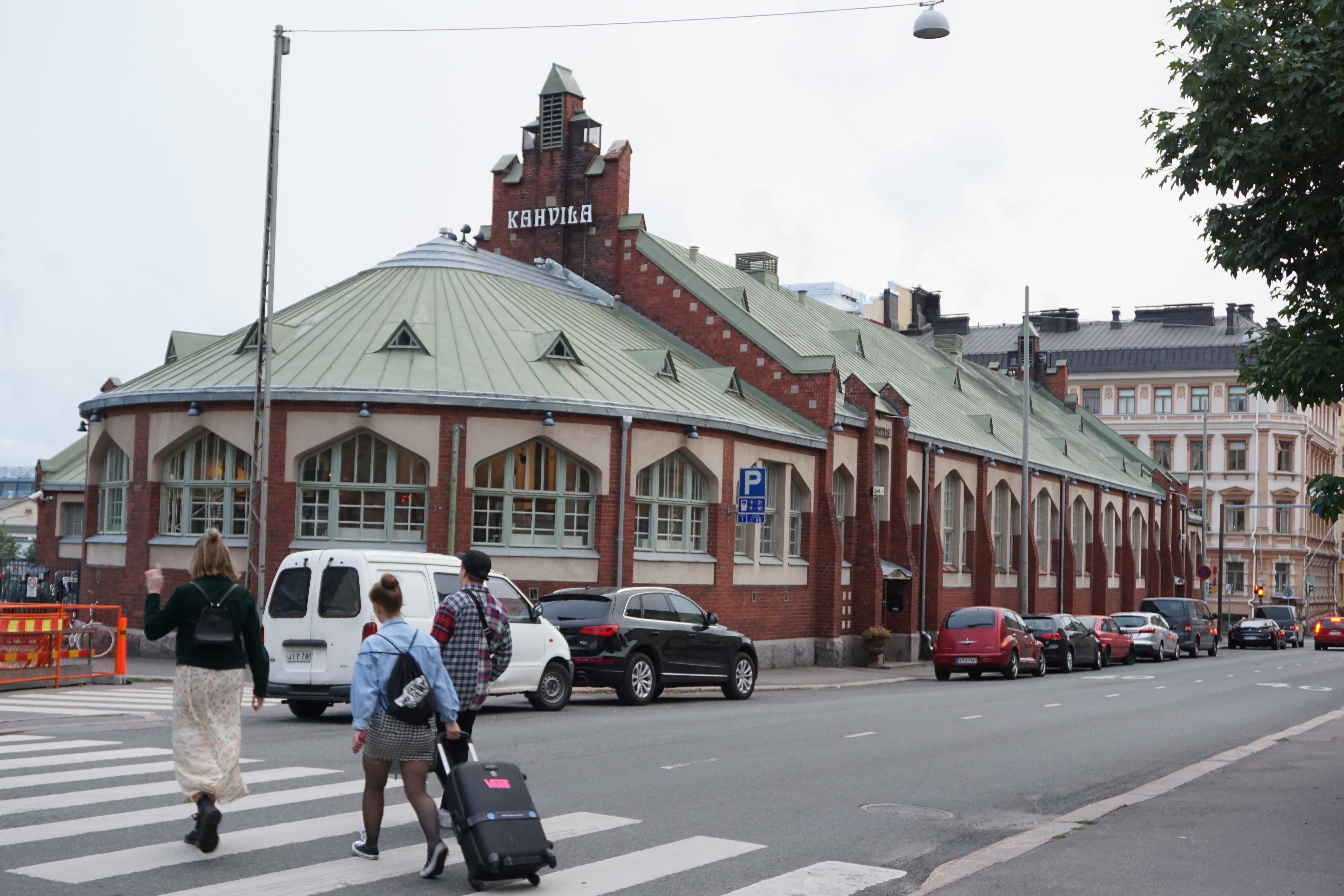
There are two market halls where you can satiate your hunger while sightseeing. Helsinki’s Old Market Hall is open Monday through Saturday 8am to 6pm and is right next to the outdoor market square and many of the ferry terminals. Another place to eat is the Hietalahti Market Hall in the hip Punavuori district. It offers everything from a Japanese ramen stall to gift shops. Market halls can be a bit cheaper place to eat than the popular sit-down restaurants and offer indoor refuge from bad weather.
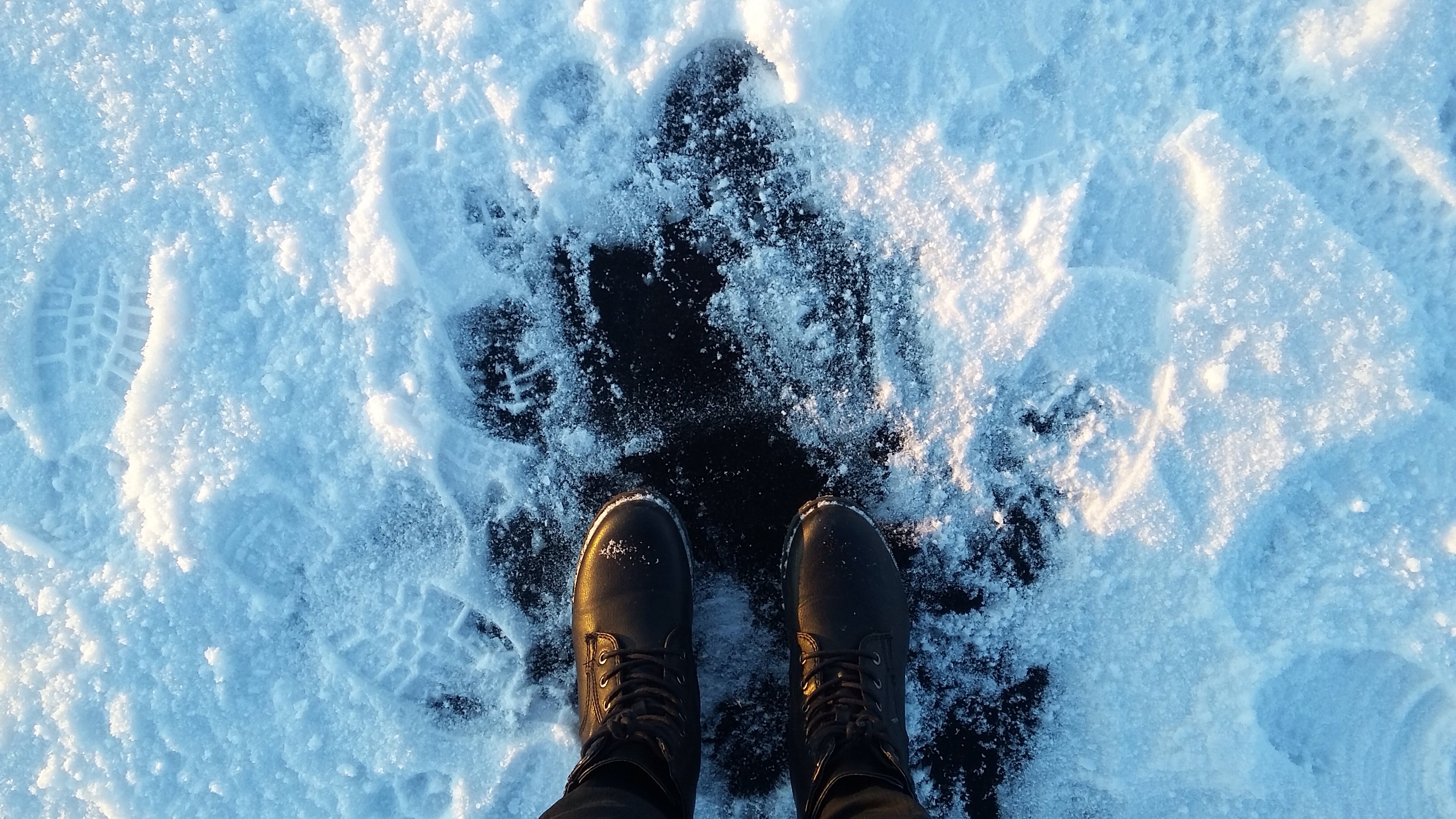
For the majority of the world’s population -30° C (-22°F) is a depth of coldness hardly imaginable, but during Finnish winters it can be a fact of life. I come from a part of the United States (Oregon) with mountains and snowy winters, but have rarely if ever been outside in such low degrees. It is a peculiar feeling and otherwise familiar objects and surroundings take on unexpected characteristics.
First of all, you have to take your winter clothing layering to a whole new level; 3 pairs of socks, 2 pairs of pants, 2 pairs of gloves – you cannot have too many layers in this weather. Any exposed skin stings and becomes numb in minutes. Locks of hair, eyelashes and beards become covered in frost. Upon taking your hand out of its glove to blow your ever-dripping nose, you don’t feel the cold, but rather an intense burning sensation after only 30 seconds. Your nostrils freeze with every inhale and defrost with every exhale.
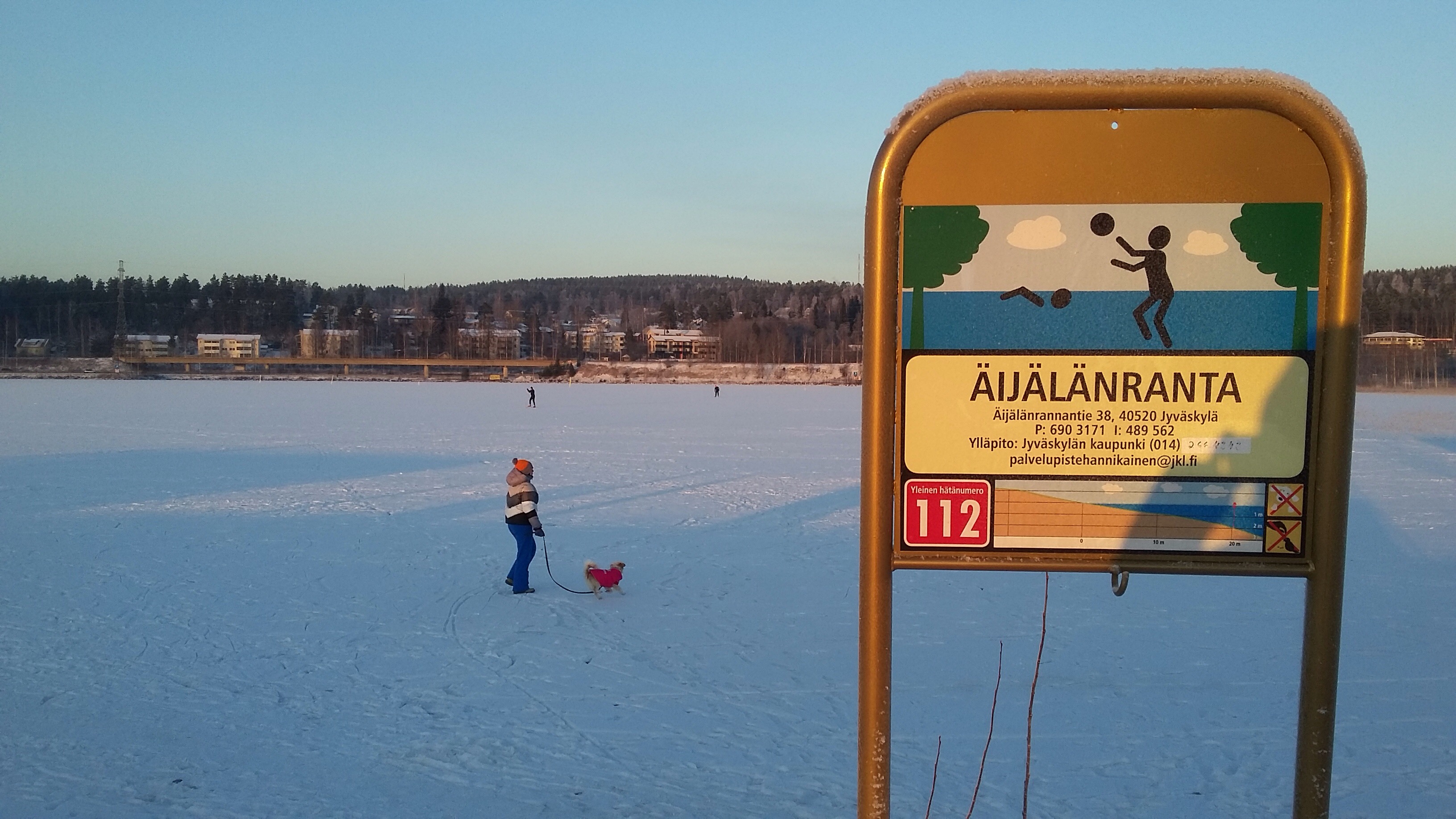
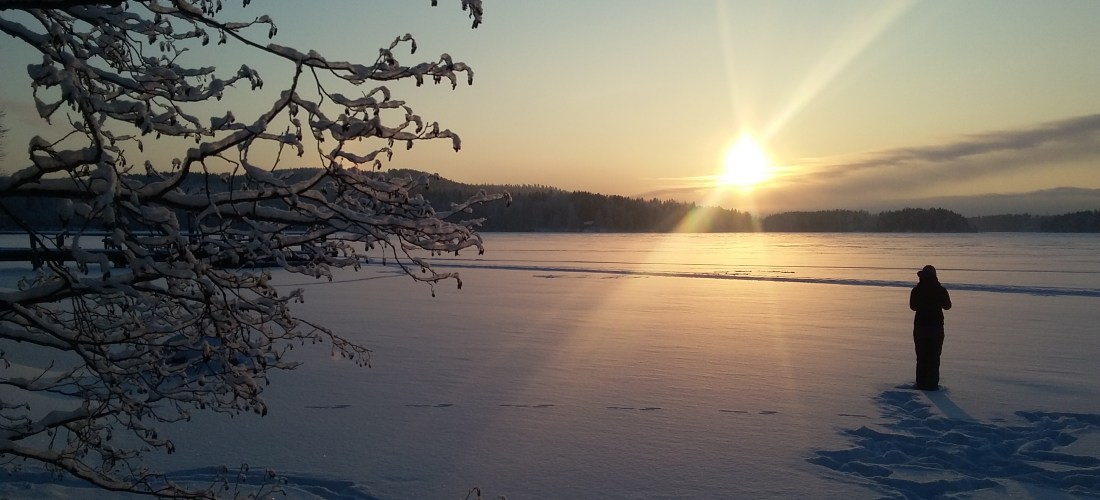
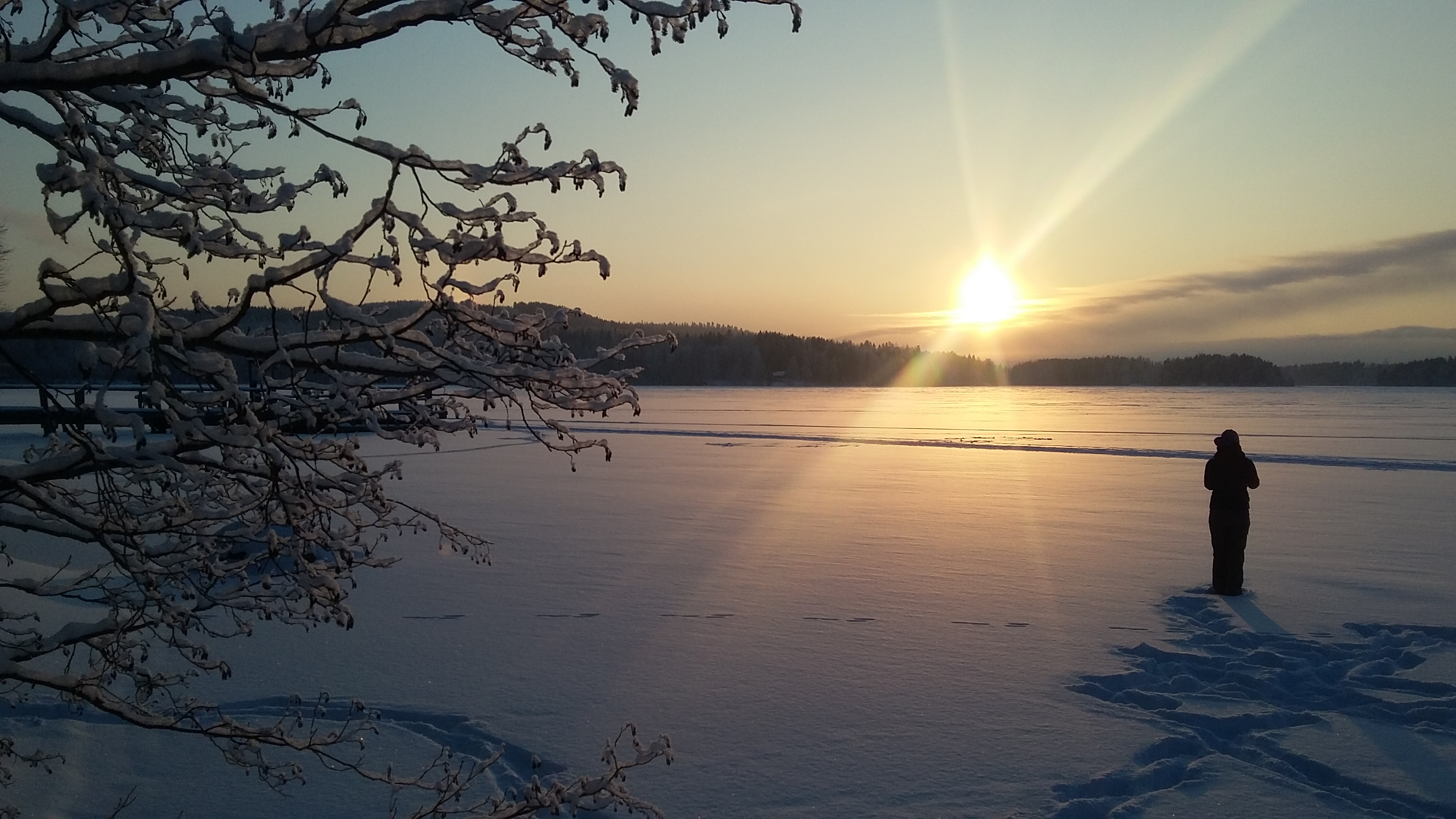
On extremely cold days a fog hangs in the air while the sky is crystal clear, no clouds to insulate. And after a few weeks of sub-zero temperatures the lakes freeze. The city of Jyväskylä put out a notice in early January once the lakes were safe to walk on and residents promptly started traversing from shore to shore by ski, skate, bicycle and foot. The snow was cleared from a section of the lake to reveal the ice beneath for ice skating.
In Finland, the winter is a special time for sports and activities like those mentioned above, but additionally ice hole fishing and swimming. After steaming in a hot sauna, one can dip into the chilly water through a hole in the ice. It is said that the water below the ice is warmer than the air, though this knowledge doesn’t help much when you’re about to plunge in.
It is important to note that it is not -30°C every day in the winter in Finland. -30°C is a pretty low temperature even for Finns, but society keep functioning, children usually go to school, shops are open and people can be seen walking in the streets. It is my observation that while us newly arrived foreigners fearfully venture outside, wondering if it is possible for our eyelids to freeze shut, the locals and more seasoned residents just put on the appropriate layers and get on with life. If you are like me and are not sure what appropriate layers means, check out this helpful video.
Even the pigeons in downtown Jyväskylä figured out a clever way to stay warm by huddling in front of this warm air vent outside a department store! If you ever find yourself in -30°C, enjoy this unique experience and try to stay warm too!
Can staring into a really bright lamp really make you feel more cheerful and energetic when you’ve got the winter blues? I tested out a light therapy lamp for one month to find out.
Unless you live near the equator, you’ve probably realized that during the winter the days get shorter. In fact, the closer you live to the North or South Pole, the more the length of the days varies between summer and winter. Above the Arctic Circle (66° North of the equator) the sun doesn’t fully set during the summer nights, and during the winter doesn’t rise for several weeks at a time.
I currently live in Jyväskylä, which has a latitude of 62°N. There can be as little as 6 hours of daylight in the darkest part of winter. To put that in perspective, it is dark outside when you go to work/school and again when you leave work/school. The darkness can make it difficult to wake up, maintain energy levels throughout the day, cause depression and result in consumption of massive amounts of coffee. The clinical name for the winter blues is “Seasonal Affective Disorder” (SAD). This is why I decided to try a light therapy lamp.
The TL90 from Beurer claims to address the hormone imbalance caused by sunlight deficiency, returning serotonin (responsible for mood) and melatonin (responsible for drowsiness) to normal levels and relieving symptoms of SAD. Recommended use is 15 minutes per day, first thing in the morning, to help energize. You should sit with your face 15-20 centimeters from the lamp and can expect results after seven consecutive days of use. There are many models and brands of lights to choose from.
When I first turned on the lamp, the light was very bright, but diffused and soft with a neutral white color. “Is this what sunlight looks like?”, I asked myself. I ate my breakfast in front of the lamp around 8am before going to class at the university.
I have been using the light therapy lamp for the month of January, during most weekday mornings between 7 and 9am. This is also the month that I decided to decrease my coffee consumption, as I started to become caffeine dependent in the end of 2015. Now I know why the Finns drink so much coffee: to stay awake through the winter! Anyhow, I haven’t started any of my mornings with coffee while testing the lamp (at most I sip a green tea). I have also taken daily vitamin D supplements, which helps with sunlight deficiency.
My Verdict
After one month of testing a light therapy lamp, I must say that I’m a believer! I’ve seen the light! On those dark mornings when I need to wake up before the sun has risen, light treatments have worked better than coffee for me. In the time that it takes me to eat my breakfast in front of the lamp, a gradual perkiness and a clarity comes over my groggy, sleepy mind. After 15 minutes I find myself jumping up to finish getting ready and eager to walk to the university. Even after the sun comes up and I have been in lectures for several hours, the clarity remains without the jitteriness and crash of caffeine.
The long term effects have been positive as well: I feel overall more energetic than during December, before I had the lamp. I have been exercising and even learning to ice skate.
My conclusion is that light therapy works! At least when combined with other healthy practices like taking vitamin D supplements, exercising and getting enough sleep. Light therapy lamps can be a bit of an investment, but the fluorescent bulbs inside this model should last 10,000 hours according to the manual – that is a lot of 15 minute treatments! If the winter darkness has got you down, I recommend you try light therapy.
Whenever I’m in Tallinn, I’m gonna pop some tags, as Macklemore put it. This city has great secondhand shops!
It seems that thrift (or secondhand) shopping can be either very trendy or non-existent depending on the country. In the United States for example, there are all kinds of shops for used goods and people from all socio-economic classes can be seen in them. In Germany though, one can have a hard time finding thrift shops; it doesn’t seem to be a habit that has caught on for some reason.
There can be a social stigma attached to buying used goods (clothing, housewares, furniture etc.) in some places, which I believe affects the popularity of thrift shops. However, I like thrift shopping because it takes items which people might normally throw away and puts them in the hands of people who need them, like students or others on a budget. It also creates community businesses and many shops are owned by churches or other charities where the profits make a positive impact. Plus, I personally find thrift shops to have the most interesting selection of random treasures – you never know what you’ll find!
Tallinn, the capital of Estonia is one place where you can thrift shop to your heart’s desire. Check out my top three thrift stores in Tallinn, and go on a little treasure hunt of your own!
Humana Second Hand
With locations all over Tallinn, there is likely to be a Humana shop near you. Prices are usually mid-range for used clothing and shoes, however during sale periods, campaigns change from 50% off everything to 3€ a piece to 1€, decreasing every day. The shop on Tartu maantee 29 is an exclusively vintage shop, for those of you who like to kick it old school.
Paavli Kaltsukas This thrift shop is the jackpot. Tucked away in a hidden spot, a 20 minute bus ride out of the city center, this shop is large and full of clothing, shoes, accessories, outerwear and books. Most easily accessible by trolley #9, stop “Ehte”.
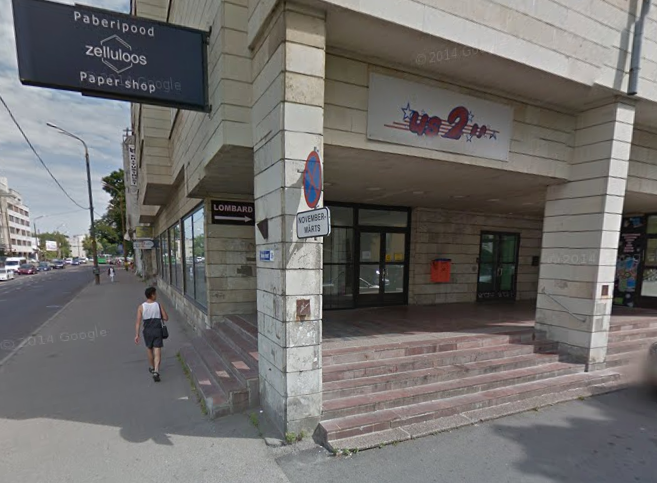
American Second Hand USA Today, US 2 U and several other shops in Tallinn advertise used “American” goods. I checked them out myself to see if this was really true, and to my surprise I found brands like American Eagle, Gap, Banana Republic, Victoria’s Secret and Juicy Couture there. I even picked up several genuine leather Coach handbags for under 10€ each (for those of you who aren’t familiar with Coach, their bags usually retail for hundreds of dollars)!
US 2 U is located right across the street from Tallinn University, get off the tram #1 at the stop “Tallinna ülikool”.
US 2 U, Narva maantee 27
If you’d like a more thorough overview of Tallinn’s thrift shops, check out Triinu’s blog written by a local, and for more tips about visiting Tallinn, see my post Tallinn Quick Picks.
When most people think about the capitals of Europe, Tallinn is not the first city to come to mind. This is changing however, and the Estonian capital is getting a lot of attention as one of the most beautiful, high-tech, hip places to visit, work and live. Having lived there for one year myself, I’d have to agree!
Even a year is not enough time to see all Tallinn has to offer – there are the permanent attractions, museums, historical sites etc. not to mention the constant rotation of film festivals, medieval celebrations and concerts. For less than half a million residents, this city packs a punch. This is why it’s a shame that many travelers only stay in Tallinn from a few hours to a few days,
stopping by on their way somewhere else. This city is worth a trip in and of itself! I promise. For those of you visiting Tallinn, I have compiled a short list of quirky, budget-friendly tips and recommendations that is by no means comprehensive, but will get you rolling. I am also not a native of Estonia, but am happy to share my insights from having lived there.
Getting There
Tallinn is hub between other major cities of Northern Europe; it’s accessible by bus, ship and plane. When coming from Helsinki (only 80 kilometers away) a ferry is best and it’s possible to arrive in less than 2 hours, on a clear day. From Stockholm or St.Petersburg, stay overnight in a cruise ship. When coming from Riga, a bus is the cheapest option. If you’re traveling from further away than these cities, fly into Tallinn’s small and efficient airport.
*Note: Estonia is a European Union and Schengen country, so if you’re entering Estonia from another Schengen country (Finland, Sweden, Latvia, most of Europe, excluding Russia), you don’t need a special visa to visit. Estonia also uses the euro currency (€).
Local Transportation
Getting from place A to B in Tallinn is easy and affordable. A taxi ride from the harbor or airport to the city center shouldn’t cost more than 5-7€. Taxis in Tallinn are required to have a yellow sign in their window clearly stating their base fee and fees per kilometer during the day and at night. Do not get into a taxi without the fare information posted, as they may try to overcharge you. Drivers with expensive fares hover around tourist spots and can cost 2-3x more than others. If you want a really cheap, no-frills ride, call one of my favorites: Q Takso, Euro Takso, Inter Takso and IR Takso.
Public transport comes in the forms of buses, trolleys and trams. For residents of the city, local transportation is free. But as a tourist this doesn’t include you, so how do you get a ticket? You can buy one way tickets (1,60€) with cash from the driver, and be sure to take advantage of the student discount (0,80€) if you have an ISIC card. If you’ll be traveling with several people or staying for a few days, day tickets start from 3€, but can only be purchased via money loaded onto an electronic transport card. Visit the city’s website for instructions.
Hostels
The following accommodation choices are meant for those on a budget and who would like to have a little fun during their stay – not places to bring your granny. There are of course many nice hotels in Tallinn, but as a student, I don’t have much knowledge of them (except for Viimsi Spa Hotel, which I can highly recommend).
Monk’s Bunk Located just across the street from the main Freedom Square and a 5 minute walk from Toompea Hill, the location of this hostel is central without being too noisy and busy. It was remodeled in 2015 and has a cozy common area for hanging out, but what you really should do is join their insanely friendly staff for their pub crawl, which starts with rounds of drinks at the hostel bar and continues through the Old Town.
Red Emperor
You wouldn’t expect a hostel to attract a lot of business from locals, but Red Emperor is the type of place that is just as good (if not better) for grabbing a drink as it is for resting your head. This hostel is combined with a lively bar: watch live music, play table football, pool or even mega sized Jenga. When you’re ready for bed, your room is located in the same building. The graffiti decor and cheap drinks keep people coming back.
P.S. Even if you’re not staying overnight, check out the bar and order an “ice cream shot” here (Bounty is my personal favorite).
Attractions
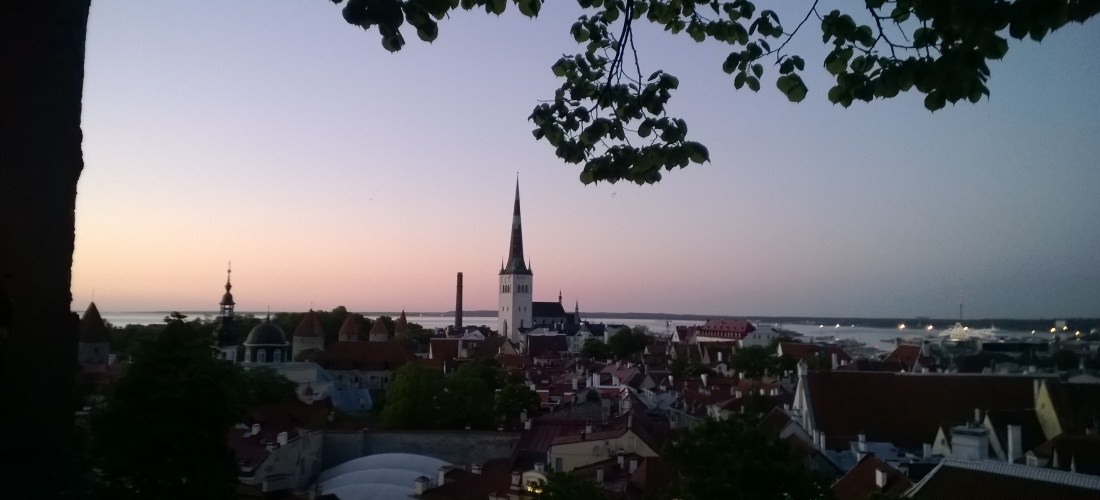
The most spectacular and charming sight in Tallinn is luckily easy to find: the Old Town. The medieval shops, churches and city wall that form the heart of Tallinn are particularly well preserved and are nowadays a UNESCO World Heritage site. Take a stroll through the winding alleyways and enjoy the views – this attraction is impossible to miss.
While you’re in the Old Town, make a small trek up to the top of Toompea Hill. It’s the highest point of the city and full of historical buildings, churches and government offices. Patkuli viewing platform, overlooking the Old Town, is one of the most famous places in the city. Great views and the famous phrase “The Times we had” on the wall. Pose for a photo here.
Telliskivi
Looking for something a little more modern and trendy? Hop on the tram for a 5 minute ride out of the center to Telliskivi, just beyond the railway station. The former industrial neighborhood has been transformed into shops, restaurants and bars. You could spend an entire evening drinking and dining here.
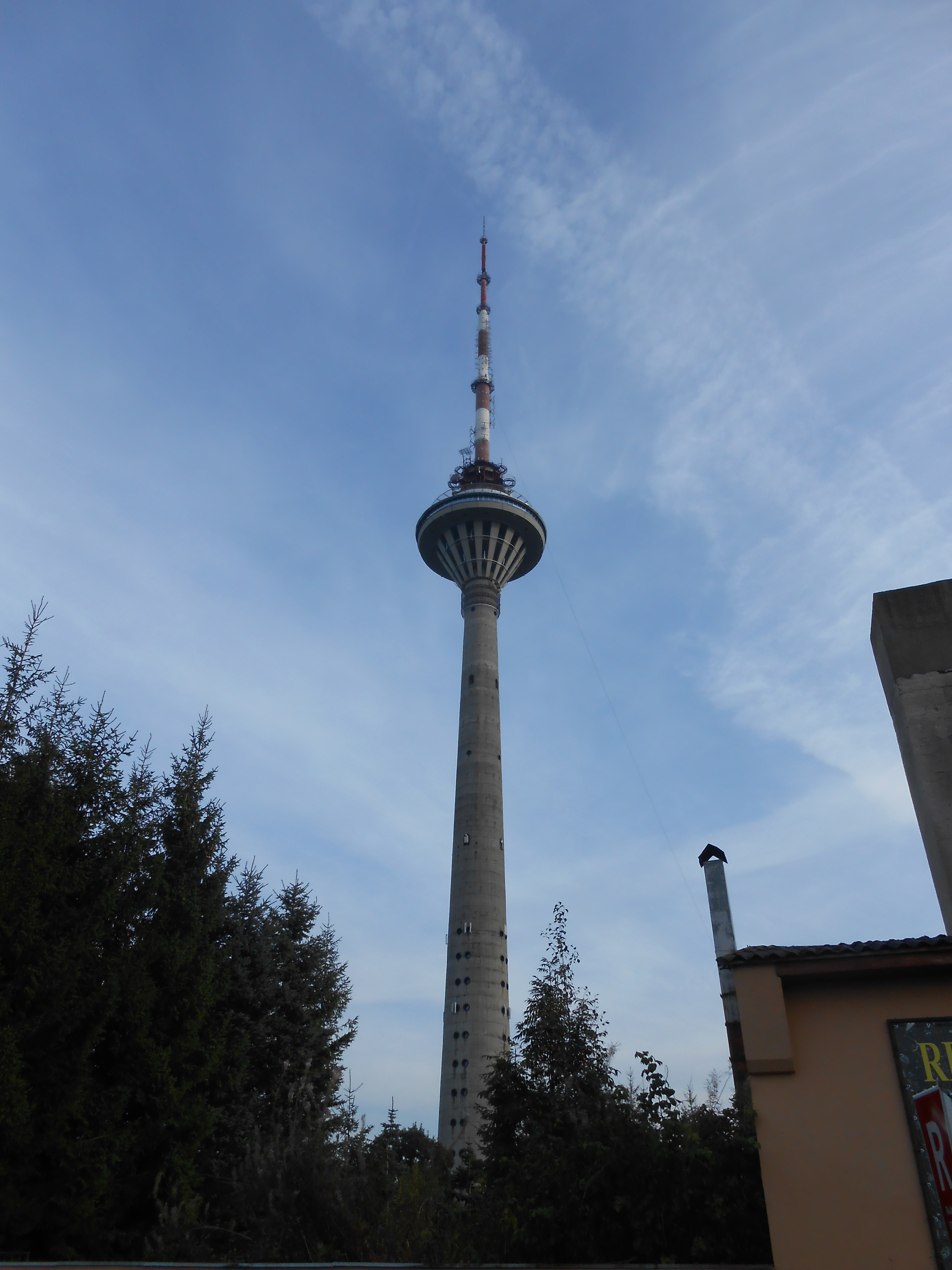
After a 30 minute bus ride where you leave the city behind and drive by the sea, you reach the Teletorn. Travel to it’s top and you’ll find yourself in the tallest building in Estonia! From there you can see the Old Town, the harbor, the residential neighborhoods (including the massive, Lego-like Soviet apartments in Lasnamäe), the seaside and its small islands off the coast. Rumor is you might even be able to see all the way to Helsinki on a clear day… Tickets cost about 10€ and there is a cafe/restaurant where you can sip a reasonably priced coffee while enjoying a priceless view over the Tallinn. Admission also includes interactive exhibitions and a short 3D film.
Restaurants + Bars
F-Hoone Located in the Telliskivi neighborhood, this restaurant whose name translates to “F-building” is part of an old industrial complex. It has high ceilings, brick walls and a creative menu with dishes like “Pumpkin and chickpea falafel” or “roasted lamb with truffle-wine sauce”. At F-Hoone you won’t sacrifice money for a nice atmosphere and quality food (all the main dishes are under 10€).
Must Puudel If you’re in the Old Town and looking for a place to hide out and take a break, turn down tiny Müürivahe street and grab a drink or bite at Must Puudel. The decor is eclectic, bringing funky, bright colors into a historical building. On the menu you’ll find foods as varied as the decorations (vegetarian options too) along with local and international beers. In the summer, lounge outside in their hidden inner-courtyard. In the evenings be prepared to see this little placed packed!
III Draakon
The Three Dragons is a must-see cafe if you wanna get in the medieval spirit in the Old Town. This place is literally a hole in the wall of the Town Hall. Inside you’ll be transported back in time by the candle lit wooden tables and low stone ceilings. Waitresses in costume serve you from a simple menu of soup, pastries and drinks (all for under 3€).
If you’re interested in thrift and secondhand shopping, check out this post about Thrifting in Tallinn.
Hope these quick tips will help you & enjoy your trip!



















 Jae Jensen-Ginter · Freelance Writer